7 Tips: What to Wear for Cold Weather Walking
Deciding what to wear to keep walking throughout the winter can be difficult. If you get snow and wind this time of year, it is more important than ever.
On the WALK Podcast and in winter issues of WALK! Magazine, we covered dressing for cold temperatures. The consensus is, walking outside in the winter is perfectly safe with the proper precautions. Following are seven tips.
Dress for the Right Temperature
Because your body generates an enormous amount of heat when you are walking hard, dress for temperatures about 10° warmer than it really is. The harder you walk the more body heat you will generate. If you plan to go for a casual stroll, you will need to dress more warmly.
How to Layer
Dressing in layers traps warm air between them, helping to keep you warm. Because you will generate body heat, your base layer should be made of a wicking fabric to pull sweat away. You don’t want to be sweaty and wet, especially once you stop moving. This layer can be long-sleeved or short-sleeved.
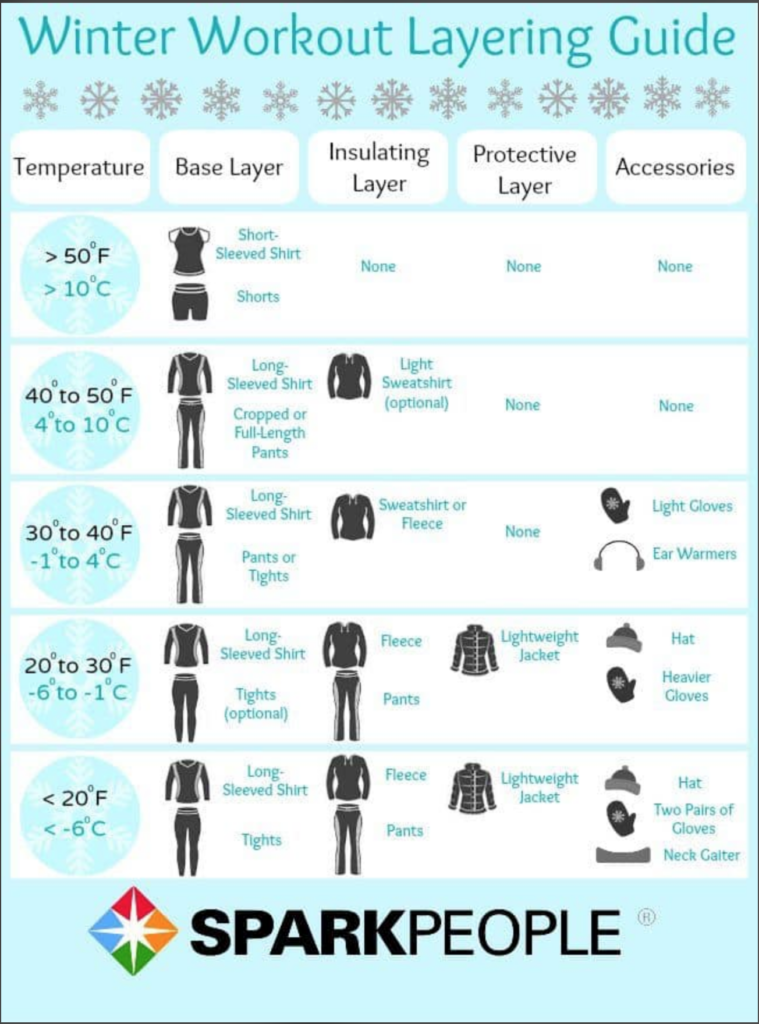
The next layer should be insulating. A heavier long-sleeved shirt, a vest, fleece, or light sweatshirt are options, depending on the temperatures.
Finally, a windproof and water-resistant outer layer is a must! I prefer a jacket with vents that can be opened if I get too warm. Water-resistance is especially important when it is snowing.
Legs
Winter-weight tights made of a wicking fabric are a good start for your legs. Some include wind-resistant panels, which can be very helpful. Looser-fitting pants will trap warm air, so walking pants or sweatpants may keep you warmer than tights. When it is very cold, layer loose pants or wind pants over tights.
Head and Neck
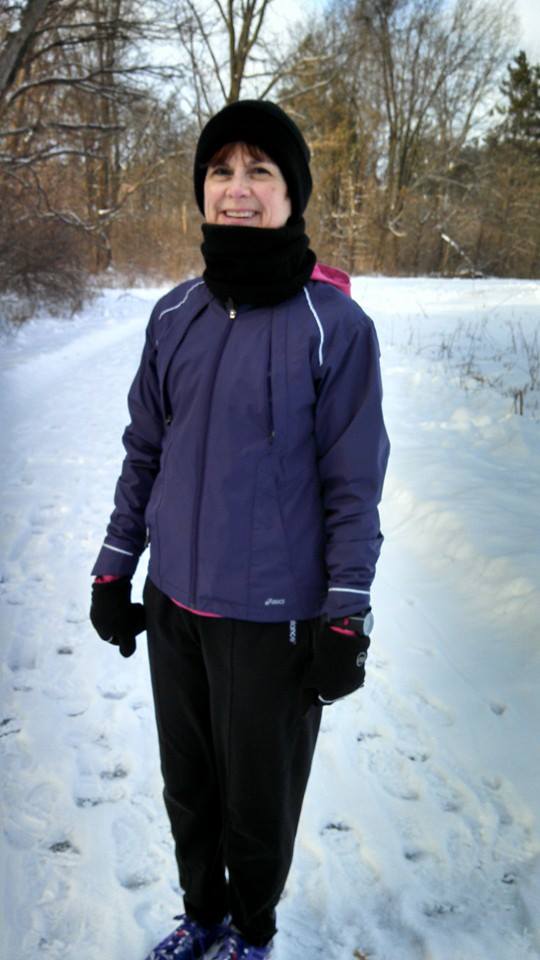
Most of your body heat is lost through your head, so invest in a warm hat that covers the ears. If you tend to get overheated, a headband or other ear covering are options.
I hate having a cold neck, so I often wear a fleece gaiter. Other options include scarves or buffs (thinner than gaiters). One of my friends wears a balaclava—a hood that covers the head and neck, and sometimes the bottom of the face.
Buffs or gaiters pulled over the mouth can keep the lower part of your face warm but breathing through them while walking will make them wet and uncomfortable.
Gloves or Mittens?
Because the fingers are separated in gloves, they are not as effective as mittens for warmth. If you still prefer gloves, look for pairs that have a mitten-like cover for wind protection. Or look for mittens with a flap up so you can still use your fingers or cool your hands if they get too hot.
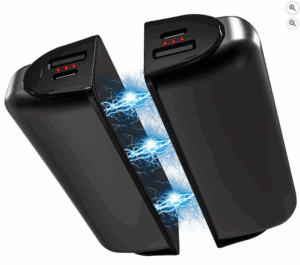
My hands get much colder now than they used to. On the coldest days, I use battery-operated rechargeable hand warmers. Mine are generic and I love them.
Cold Feet?
Socks
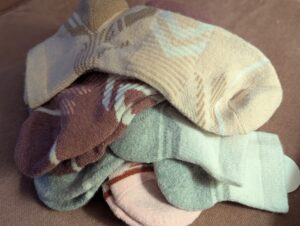
It can be difficult finding the right socks to keep your feet warm. I prefer wool athletic socks. Wool is great for keeping you warm (they generate heat), even when wet. Crew-length socks will help protect your ankles. (Can you believe recommendations used to be to wear two pairs of socks?) I’ve never been able to get toe warmers to work, so wool socks are my best suggestion.
Shoes
This time of year, water- and wind-resistant athletic shoes or trail running shoes can help to keep your feet dry and warm. If you plan to walk at a slower pace, or if it is very snowy, a hiking boot may be a better choice.
For walking in snow or on ice, consider wearing shoes or boots made for snow or attach traction devices, such as Yaktrax. For added safety, trekking poles can be helpful.
Conclusion
One more hint. If at all possible walk facing the wind when you start so the wind is at your back on your return. (It’s tough, but it works.)
Regardless of your sensitivity to cold, if you follow these suggestions you can walk safely outside all winter long.
Sources:
- “Training in the COLD…,” by Roger Burrows, WALK! Magazine.
- “…And Not so Cold,” by Wayne L. Wescott, Ph.D, WALK! Magazine.
- WALK Magazine Podcast, Episode 19, featuring Larry Smith, German Village Walking Club.
- “How to Dress for Cold Weather Walking,” by Wendy Bumgardner, verywellfit.com.
- Sparkpeople.com

(21698)