
How to Wash Wicking Fabrics — Make Your Walking Gear Last
As the weather warms up and your walks get sweatier, your technical fabrics are working harder than ever. The more you sweat, the more bacteria stay in the synthetic fibers and the more important proper care becomes. A little extra attention at laundry time this spring will keep your gear fresh and performing its best all season long.
Wash in Cold Water
Some care labels will tell you warm water is fine, but cold water is always the better choice for performance fabrics. Heat breaks down the elastic fibers over time, and cold-water washing on the delicate cycle preserves both the stretch and the wicking function. If you want to be extra careful, hand washing in the sink works well. And to keep your whites bright, always wash colors separately.
Skip the Dryer When You Can
Though low heat tumble drying may be permitted on the label, air drying is kinder to your gear. The same properties that wick moisture away from your skin during a walk also help these fabrics dry quickly on a hanger. I love the air-drying setting on my dryer.
Never Use Fabric Softener
This surprises a lot of people. Fabric softener works by coating fibers to make them feel smooth and soft, but that coating also blocks the microscopic channels that make wicking fabrics work. Dryer sheets have the same effect. Skip both entirely.
Try White Vinegar Instead
If you’re looking for a natural way to soften fabrics and eliminate odors without harming your gear, white distilled vinegar is your new best friend. Add half a cup to the rinse cycle in place of fabric softener — it breaks down detergent residue and mineral deposits, leaving your clothes feeling fresher without coating the fibers. Running your clothes through two rinses will help to eliminate any lingering vinegar smell.
For stubborn odors that survive regular washing, try soaking your clothes in a mixture of one part white vinegar to four parts cold water for 30 minutes before laundering. The vinegar neutralizes the bacteria that cling to synthetic fabrics and cause that persistent smell. It also helps preserve color and brightness in dark or vivid athletic wear.
Always use plain white distilled vinegar — apple cider vinegar can stain light-colored fabrics.
Use a Sport-Specific Detergent
If vinegar alone isn’t cutting through tough odors, a detergent formulated for athletic wear can make a real difference. These detergents are designed to break down the bacteria that cling to synthetic fibers without damaging the fabric’s performance properties. Look for them wherever sports gear is sold or online.
A Little Care Goes a Long Way
Don’t let your sweaty clothes sit in your gym bag — bacteria and odor multiply quickly in damp fabrics. Try to wash them promptly after every workout.
A little extra attention at laundry time goes a long way toward keeping your gear performing at its best — walk after walk.
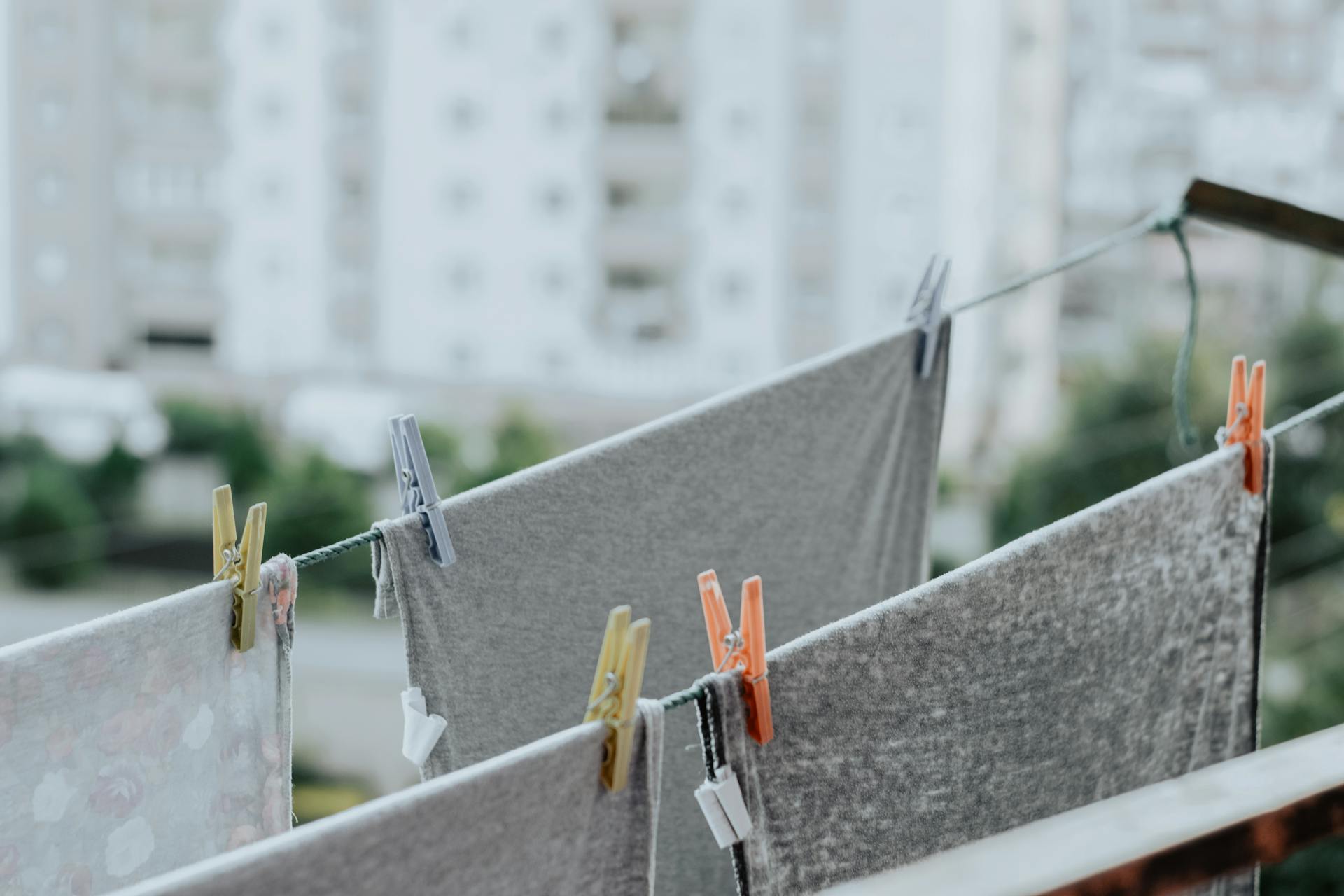
Photo by gokceakyildiz: https://www.pexels.com/photo/gray-clothes-hanging-on-rope-4623134/
(172)




Comments
Smart bankroll management is key with any game, especially poker – seen some good strategy talk around kkkjili link. RTP & volatility matter, don’t chase losses! It’s about calculated risks, not just luck. 🤔
স্লট গেমের ফিচারগুলো বুঝতে পারলে খেলার মজা আরও বাড়ে। বিশেষ করে লাইভ ক্যাসিনোর মতো জায়গায় নিরাপত্তা ও সহজ নেভিগেশন জরুরি। আপনি যদি নতুন কিছু খুঁজতে চান, 57777 port স্লট একবার দেখে নিতে পারেন; অভিজ্ঞতাটা দারুণ হবে!
This focus on preservation is universal. Whether it’s maintaining the wicking properties of technical fabrics or ensuring the seamless, secure functionality of a digital platform, proper protocol is key. Longevity depends on respecting the underlying mechanisms. For optimized entertainment, try jilbb game.
Caught zoning out at this meeting and stumbled on bwin com login casino. While the 24/7 slots look tempting, please remember that gambling carries real financial risks. Always prioritize responsible play and budget wisely before depositing funds online.
Honestly, the depth here is unexpected. Most guides gloss over the real strategy. Seeing this structure, especially with tips like bd456 app ডাউনলোড, really changes perspective. Solid analysis!
Totally get the excitement! It’s wild how much polish goes into making these platforms feel so seamless. Checking out X Games slot gave me a good idea of that energy you mentioned in the description. Need to look closer when I have time!
This analysis is spot on! It really breaks down the psychology. For casual fun, remember to set limits. Check out ne88 download apk for a peek! 🍹✨
Honestly, the focus on ‘strategy’ in gaming is what catches my eye. It’s more than just luck, right? Need to look into bankroll discipline like the product suggests. Maybe check out sinagph download apk for a more structured approach. Wish I had more time!
Just found this during a meeting! Finally a legit Philippine casino with great slots. Check out kiss ph app for seamless mobile play and secure payouts today!
Nah, reading this reminds me of controlling the tempo at the table. The focus on steady gameplay, like what you see at 555bl slot download, really matters for long-term strategy. Keep it measured.